Living Question:
Do the environments
we build shape
who we become?
GET TO KNOW
Human Developmental Ecology
The Study of Developmental Conditions
Humans do not develop alone.
Development happens through relationship.
Environments shape possibility.
Human Developmental Ecology studies those conditions.
The Root
Where did this field come from?
The lineage below traces the intellectual roots of Human Developmental Ecology.
Morph did not emerge from a single discipline. It emerged at the intersection of several ideas that point toward a shared question:
How does life become what it is becoming?
Morphē →
(Form)
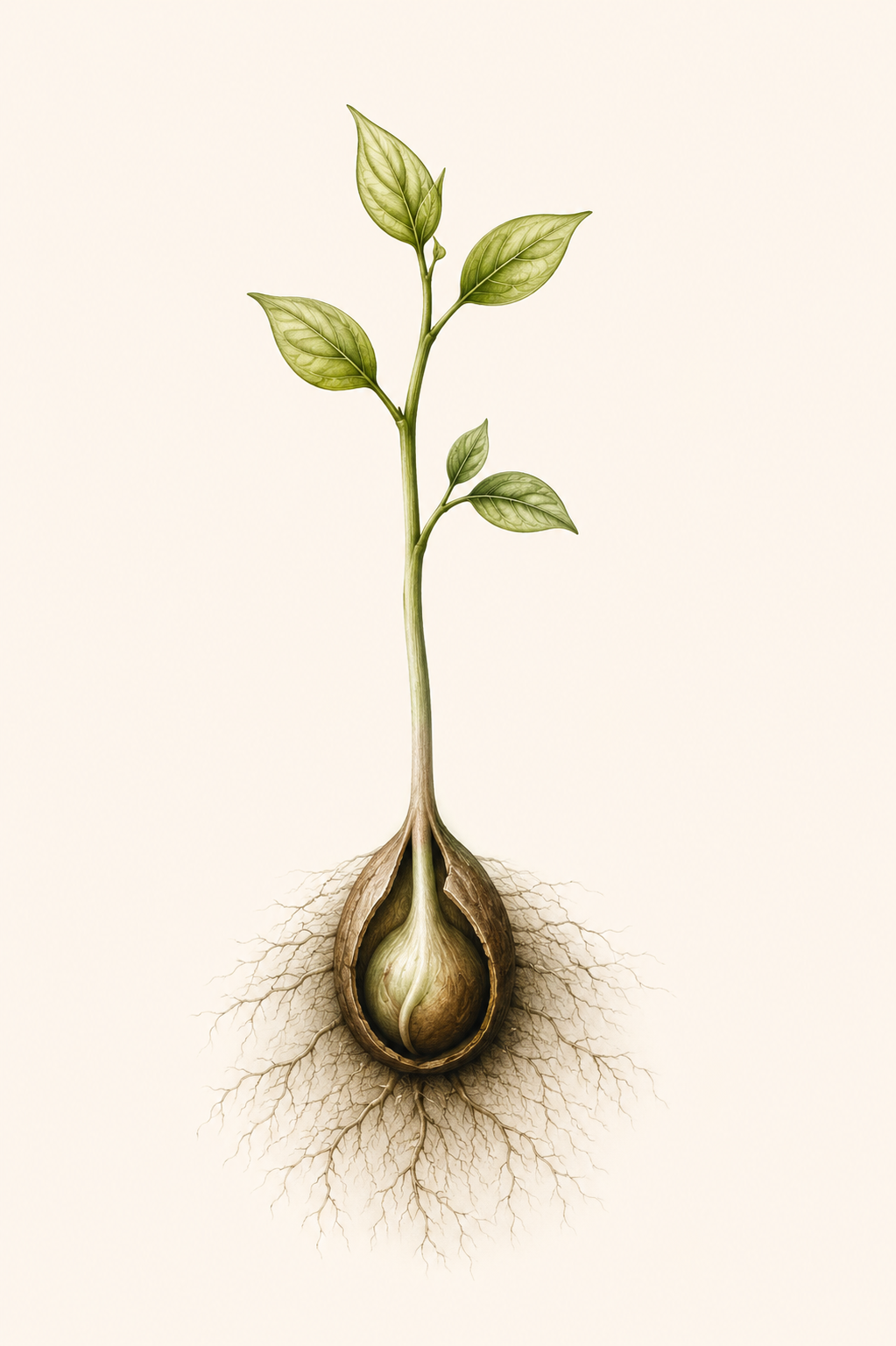
Ancient Greek
form
shape
structure
becoming
Not merely what
something is,
but the form
it takes.
Morphology →
(Structure)

The Study of Form
How structures are organized.
How systems are shaped.
How patterns emerge.
It asks:
How do developmental structures become?
Metamorphosis →
(Transformation)
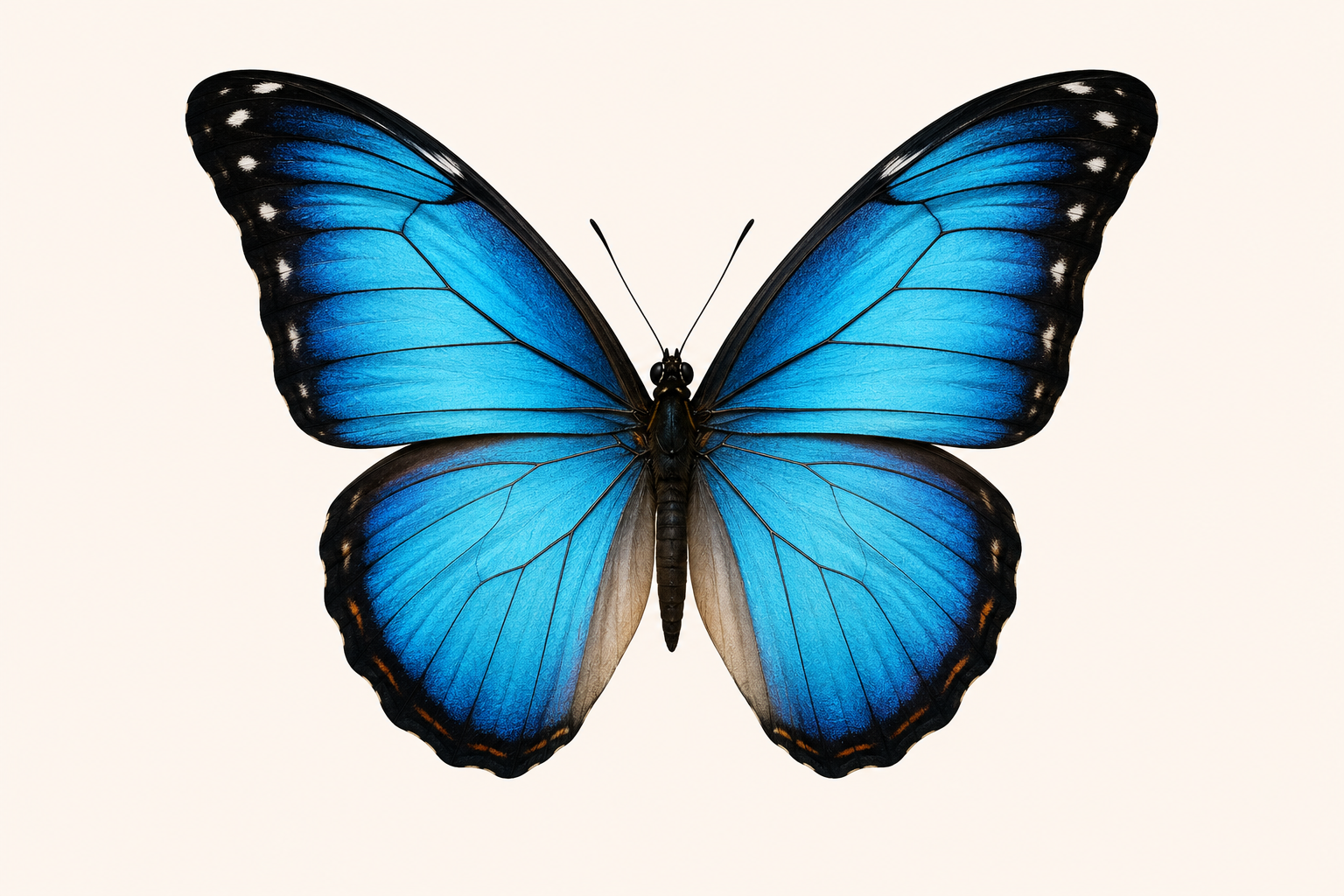
Change of Form
(meta + morphē)
Transformation.
Reorganization.
Becoming something new.
Life changes in more than one way.
Some change is growth.
Some change is transformation.
Development →
(Unfolding)
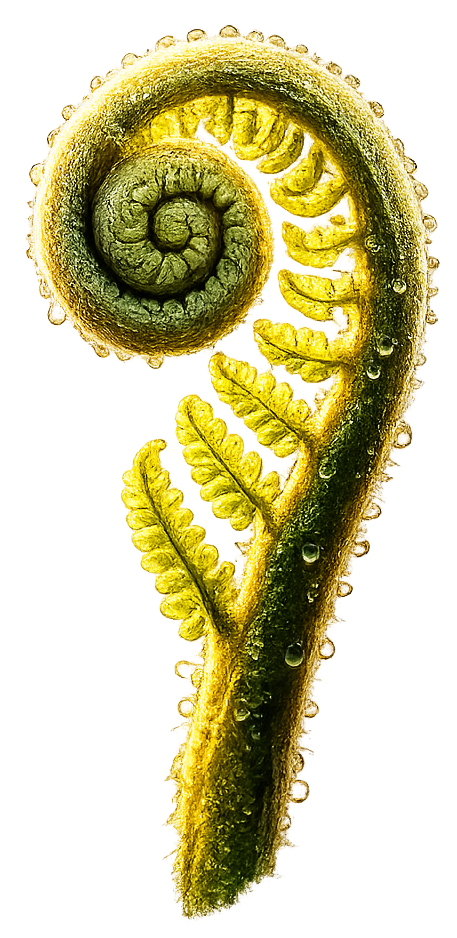
From Latin disvolvere
"To unfold."
Literally:
to unroll
to unwrap
to reveal what was folded within.
Habitat →
(Dwelling)
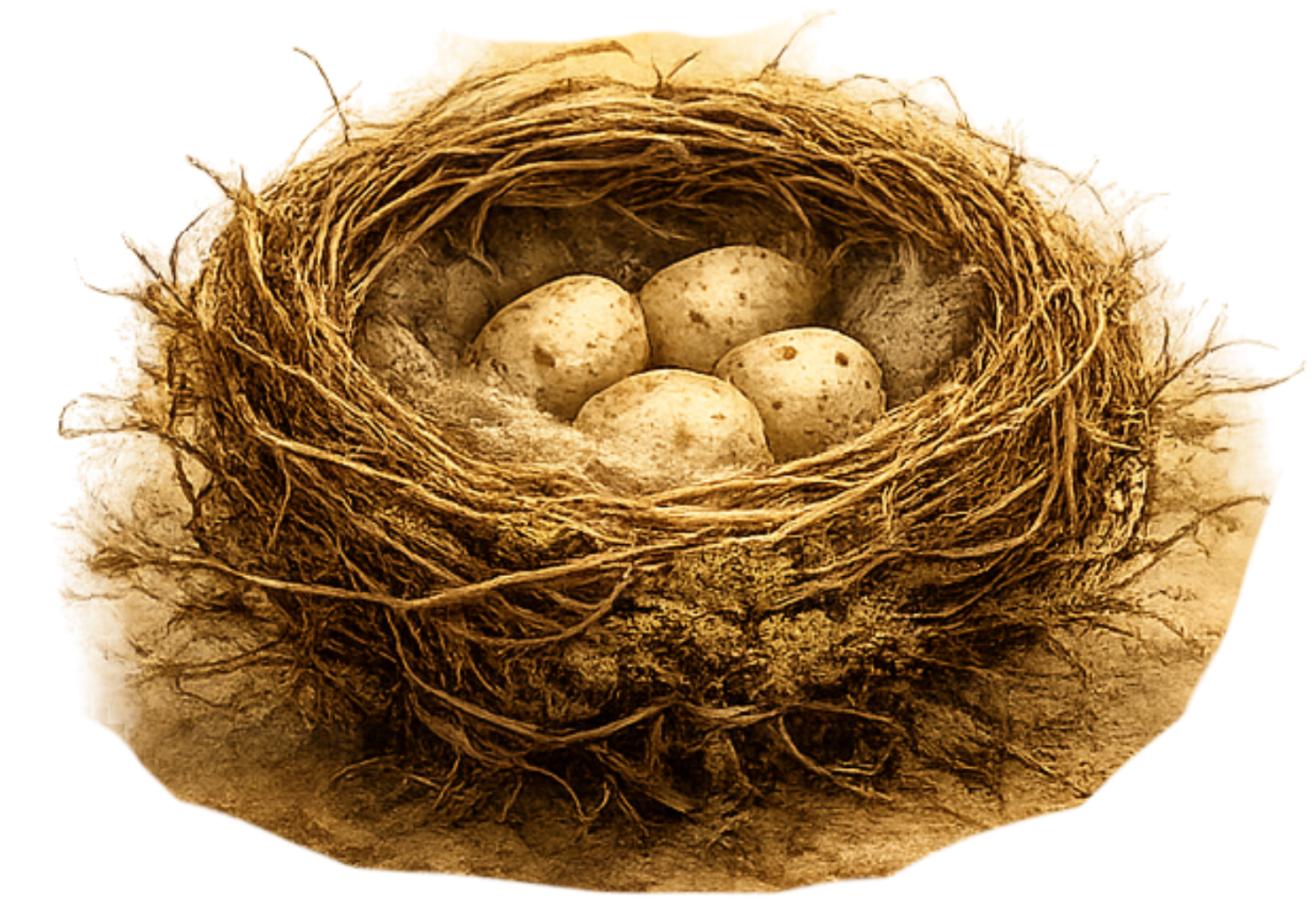
From Latin habitare
To inhabit.
To dwell.
To live within.
Habitat is the place where life dwells.
Every living thing develops somewhere.
A forest.
A family.
A classroom.
A culture.
A community.
Habitat is not merely location.
It is the context of becoming.
Ecology →
(Relationship)
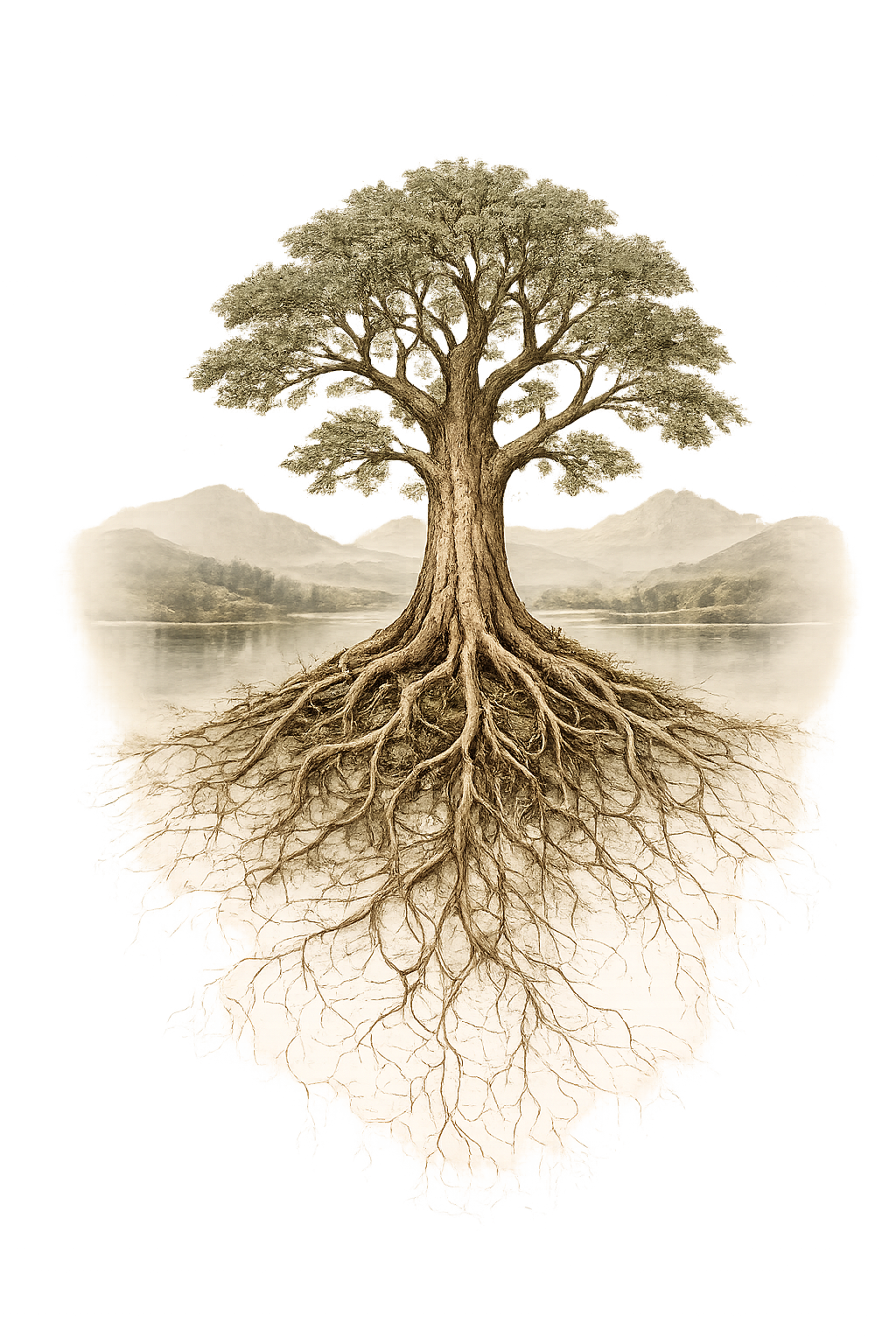
Oikos + Logos
Oikos
House.
Home.
Habitat.
Logos
Study.
Understanding.
Ecology is the study of relationships within a living home.
It asks how living systems interact with one another and with the environments that sustain them.
Human Developmental Ecology →
(Developmental Conditions)
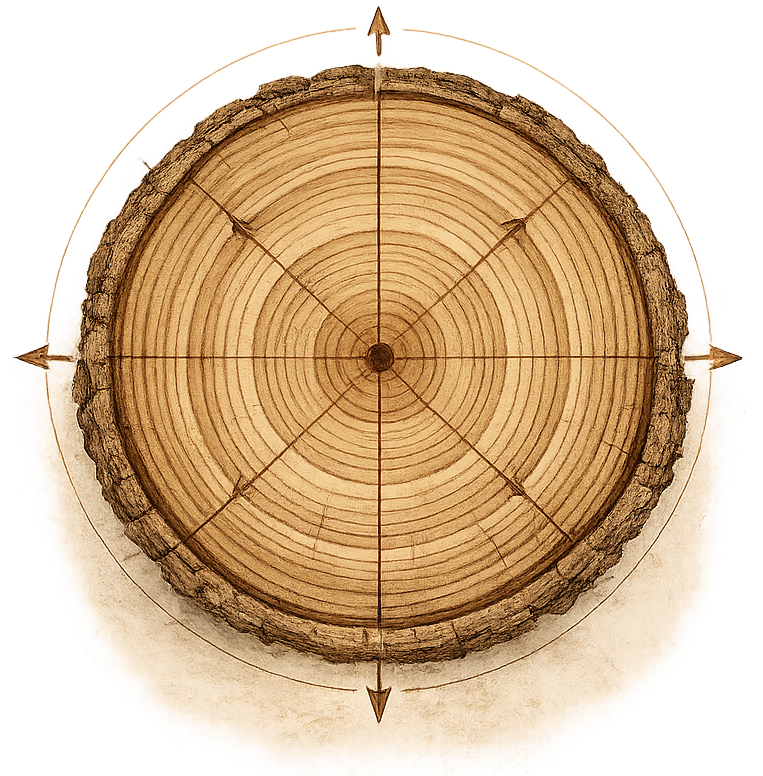
Understanding Developmental Conditions
Studies how developmental conditions influence becoming.
What supports flourishing?
What constrains growth?
Morphf asks:
What is growing?
What is transforming?
Human Developmental Ecology asks:
What conditions shape becoming?
Developmental Habitat Design
(Shaping Conditions)
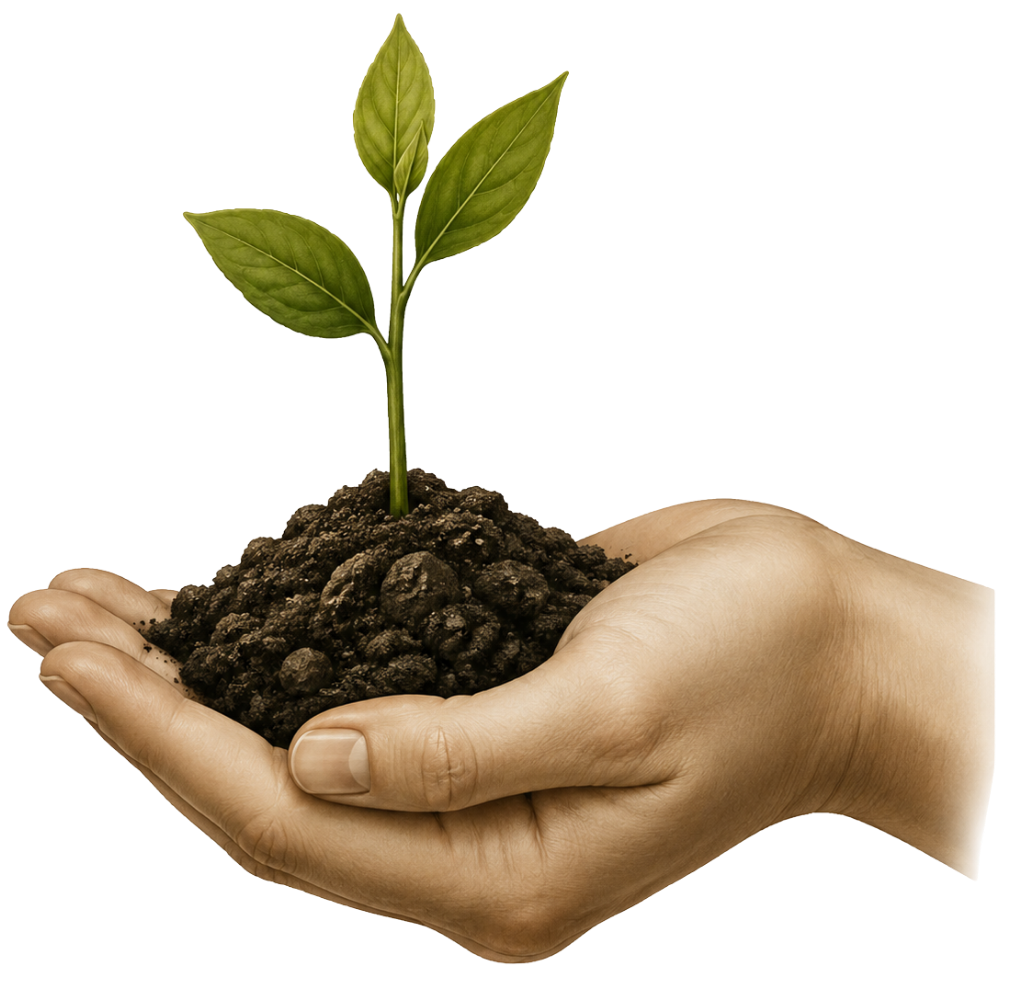
The Practice of Shaping Conditions
How do we intentionally create environments where life can flourish?
The Morph Field
No single discipline fully explains human becoming.
Human Developmental Ecology sits at the intersection of many fields.
Together, they help illuminate the developmental conditions that shape human becoming.
An Interdisciplinary Domain of Study
Developmental Psychology
Human growth across the lifespan.
Ecology
Relationships between organisms and environments.
Systems Thinking
Complexity, emergence, and adaptive systems.
Education
Learning, development, and pathways.
Design
Intentional shaping of environments.
Creativity
Expression, innovation, and meaning-making.
Technology
Digital environments and intelligent systems.
Community
& Belonging
Attachment, participation, and collective flourishing.
Morphf Stewardship Principle
Healthy systems return more life than they consume.
This principle guides the future envisioned by Morph.
Not simply growth.
Not simply efficiency.
Not simply innovation.
Flourishing.
Principles of Human Developmental Ecology
1. Humans are living systems
People are not machines. Development is dynamic, adaptive, relational, and responsive to conditions.
2. Development occurs inside habitats
Every person develops somewhere. Families, schools, workplaces, technologies, cultures, and communities all shape what becomes possible.
3. Adaptations are information
Behavior often reveals conditions. Before asking “What is wrong?” Human Developmental Ecology asks, “What happened?” and “What need is trying to be met?”
4. Flourishing requires more than survival
Safety matters. Belonging matters. Meaning matters. Contribution matters. Wonder matters.
5. Healthy systems return more life than they consume
A healthy environment leaves people more alive than it found them.
6. Development matures through stewardship
Growth becomes responsibility. Transformation becomes care. Flourishing becomes participation.
Human Development Across Scales
Human Developmental Ecology studies becoming across nested systems.
Development is nested.
No person develops alone.
Individual
Identity. Meaning. Growth. Selfhood. Nervous system. Inner life.
Relational
Family. Friendship. Attachment. Belonging. Trust. Care.
Community
Schools. Organizations. Neighborhoods. Culture. Shared participation.
Technological
Digital systems. AI. Tools. Platforms. Information environments.
Ecological
Place. Nature. Built environments. Earth. Living systems.
Remembered Sky
Deep time. Legacy. Wonder. Orientation. The larger story life participates in.
The Seven Questions of Flourishing
Recurring Questions of Human Development
Human Developmental Ecology suggests that flourishing is not organized around a single goal.
Instead, human life repeatedly returns to a set of recurring developmental questions.
These questions do not disappear with age.
They reappear across relationships, transitions, communities, careers, and seasons of life.
🦌 Safety
Am I safe?
The question of protection, regulation, stability, and security.
🐺 Belonging
Who do I belong with?
The question of attachment, relationship, community, and connection.
🦫 Pathways
How do we help life move forward?
The question of participation, stewardship, systems, and contribution.
🐦⬛ Meaning
What does this mean?
The question of understanding, interpretation, perspective, and wisdom.
🐝 Contribution
How can I contribute?
The question of service, reciprocity, purpose, and mutual flourishing.
🦋 Transformation
Who am I becoming?
The question of identity, growth, emergence, and change.
✨ Orientation
What lights the way?
The question of wonder, guidance, legacy, and direction.
These questions form the foundation of the Seven Streams.
Not a sequence. Not a checklist. A living framework for understanding flourishing.
The Morph Vision
A Regenerative Future
Morph envisions a future where systems support human flourishing rather than extract from it.
A future where the environments we build help life become more fully alive.
Human development that is regenerative, relational, and future-centered.
Workplaces that support creativity and nervous system health.
Education that cultivates curiosity, belonging, and lifelong learning.
Communities that strengthen participation, contribution, and connection.
Environments designed for flourishing rather than extraction.
Technology that strengthens awareness rather than fragments it.
AI that evolves alongside humanity rather than ahead of it.
A Living Ecosystem
Fields grow through communities, conversations, research, and practice.
Morphf
The lens.
Human Developmental Ecology
The field.
Developmental Habitat Design
The practice.
Books
Deep ideas for becoming.
Podcast
Conversations that expand.
Research
Exploring developmental systems.
Lab
Experiments and prototypes.
Tools
Tools for awareness and growth.
Habitats
Spaces designed for flourishing.
Community
A growing field of people asking better questions.
Human Developmental Ecology began with a question:
Do the environments we build shape who we become?
Morph exists to explore that question.
Developmental Habitat Design exists to respond to it.
And the future depends, in part, on how we answer it.